
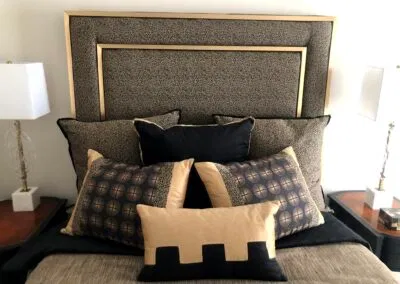
A beautifully dressed bed can change the entire feeling of a bedroom. It adds softness, structure, warmth, and a sense of intention to the space. The good news is that a polished look does not always begin with a shopping list.
Often, the linens you already own contain everything needed for a thoughtful refresh: a dependable duvet, a textured coverlet, a few shams, sleeping pillows, and a throw tucked away in a nearby room. The transformation comes from how you fold, layer, balance, and arrange those pieces.
I truly believe the most inviting rooms are not built from one perfect set. They are developed through a careful relationship between texture, proportion, color, and comfort. Before you buy anything new, take a fresh look at what is already in your home.
Start with the Bed as the Largest Visual Element
Because the bed is usually the largest piece in the room, it deserves a clear point of view. Before arranging pillows or adding a throw, step back and look at the bed as a whole.
Ask yourself:
- What is the strongest textile you already own?
- Is the duvet patterned, textured, or relatively simple?
- Does the coverlet add contrast or quiet depth?
- Which linens feel soft and relaxed, and which have more structure?
- Does the current arrangement make the bed appear balanced within the room?
The goal is not to display every piece at once. A beautifully layered bed has breathing room. Select the linens that support one another, then set aside anything that makes the composition feel crowded.
If your room includes a substantial headboard, artwork, wallpaper, or a prominent view, allow those elements to remain part of the design. The bed should feel connected to the room rather than styled in isolation.
Build from the Base Up
Professional-looking bedding begins with a smooth, orderly foundation. Start with the fitted sheet, then add the flat sheet if you use one. Pull the fabric evenly across the mattress and smooth the surface before placing the heavier layers.
From there, consider this sequence:
- Fitted sheet for a clean foundation.
- Flat sheet for comfort and a finished fold at the top.
- Coverlet, quilt, or blanket for light structure and texture.
- Duvet or comforter as the primary soft layer.
- Shams and pillows for height and personality.
- Folded throw for a final note of warmth and movement.
You do not need every layer. A coverlet can take the place of a duvet in warmer weather, while a duvet can stand alone when its fabric or pattern already provides enough visual interest.
When using both a coverlet and duvet, try placing the lighter coverlet beneath the duvet, allowing a small amount to show at the foot or sides. Another option is to fold the duvet down and let the coverlet become the visible upper layer. This approach gives you more texture without adding anything new.
Create Structure with Intentional Folds
Folding is one of the simplest ways to make existing linens appear more tailored. A duvet that is pulled straight to the head of the bed can feel visually heavy. Fold it down in thirds or halfway, depending on its weight and the proportions of your bed.
A folded duvet also creates a comfortable transition between the pillows and the foot of the bed. If the duvet is especially full, a relaxed fold can be more attractive than trying to make it lie perfectly flat.
A flat sheet can be folded back over the top edge of the duvet or coverlet. This small reveal introduces another color or texture and gives the upper portion of the bed a more finished appearance.
I like to think of these folds as quiet architectural details. They create lines, layers, and shadows, much like molding or paneling does elsewhere in a room.

Balance Structure with Softness
A bed can look unfinished when every layer is loose, but it can also feel too formal when every edge is sharply tucked. The most inviting arrangements balance tailored elements with softer ones.
Use the coverlet or flat sheet to provide structure. Let the duvet, quilt, or throw introduce softness. A neatly folded piece at the foot of the bed can anchor the arrangement, while a slightly relaxed edge keeps the room from feeling overly rigid.
Your existing materials may already offer useful contrast:
- Smooth cotton beside a nubby woven blanket.
- Crisp linen beside a softly quilted coverlet.
- A substantial duvet beside a lightweight throw.
- A matte fabric beside a subtle sheen.
The difference between textures does not need to be dramatic. Even small variations can keep a neutral bed from appearing flat.
Mix Textures and Scales Carefully
When combining linens, texture often matters more than color. A tonal arrangement can feel rich when the fabrics have different surfaces and weights.
If your duvet is a solid color, let a patterned sham or woven throw provide interest. If your coverlet has a pronounced pattern, keep the surrounding pieces quieter. This gives the eye a place to rest.
Scale matters as well. A small pattern can disappear against a large bed, while several bold patterns may compete with one another. Try pairing one larger-scale textile with smaller or more subtle accents.
A simple guideline is to choose:
- One primary pattern or visual focal point.
- One supporting texture.
- One quiet, grounding layer.
This does not mean every item must match. It means each piece should have a role.
Arrange Shams and Pillows with Purpose
Pillows are where a bed begins to feel personal. They also create the height and depth that make layered bedding look complete.
Begin with the largest pieces at the back. On a king bed, this may be two or three Euro shams, if you already own them. On a queen bed, two Euro shams can create a generous backdrop. If you do not have Euro pillows, use your sleeping pillows upright against the headboard.
Next, place standard or king shams in front. These can be arranged symmetrically for a more tailored appearance. If your bed has a tall or upholstered headboard, allow the pillows to support its scale rather than hiding the entire surface.
For the front row, use what you have:
- One lumbar pillow for a clean, linear finish.
- Two smaller accent pillows for a balanced arrangement.
- A decorative pillow from another room when its texture or pattern relates to the bedding.
- A folded sham or compact cushion when you prefer a simpler look.
There is no requirement to fill every inch of the headboard. A carefully edited arrangement often feels more elevated than an abundance of pillows.

Fold a Throw at the Foot
The folded throw is a small detail with considerable visual impact. Start by folding it lengthwise into thirds, then place it across the lower third of the bed. Align it with the center of the mattress for a symmetrical look, or shift it slightly to one side for a more relaxed arrangement.
The fold should reflect the character of the room. A crisp, even fold supports a tailored bedroom. A softer fold or gentle drape feels more casual and welcoming.
If you have two throws, resist the urge to stack them automatically. Instead, try one at the foot of the bed and another over a nearby chair or bench. Distributing textiles throughout the room can create a more connected atmosphere.
Know When Custom Bedding Is the Finishing Step
Styling what you already own is an excellent way to refresh a room, but sometimes the existing pieces reveal a need for greater precision. Perhaps the duvet is an unusual size, the coverlet does not fall evenly, or the bed requires a tailored layer that is difficult to find ready-made.
That is where custom bedding can become the finishing step rather than the starting point.
At Serendipity Designs, we fabricate tailored bedding, coverlets, duvet covers, and structured shams with careful attention to mattress dimensions, fabric behavior, scale, and drape. Our specialty soft works are developed to support the character of the room while adding a refined, personal touch.
Custom accent pillows can serve the same purpose. A one-of-a-kind textile, a precise lumbar proportion, contrast piping, or a carefully selected welt cord can bring definition to the layers already in place. Explore our bedding and pillow gallery for examples of how soft goods can complete a room.
For those searching for luxury bedding Dallas, the process begins with understanding how the bed, room, fabric, and daily use need to work together. We approach each piece with technical care because the way a textile hangs, folds, stretches, and holds its shape affects the entire impression.
A Refreshed Bed, Using What You Have
Before replacing your bedding, remove everything from the bed and begin again. Smooth the foundation. Choose one or two supporting layers. Fold the duvet with intention. Arrange the shams by height, then add only the accent pillows that contribute to the composition.
The room may need less than you think.
My goal is simple: to help you see the beauty and possibility in the pieces already surrounding you. With thoughtful proportion, varied texture, and careful arrangement, familiar linens can give your bedroom a freshly tailored feeling.
Start with what you own. Layer with purpose. Finish with detail.